
New York City is home to more than 25,000 restaurants, each one competing for attention in a city where diners have endless options. But beyond the menus, décor, and marketing, there’s one factor that quietly shapes customer trust more than anything else: hygiene.
In a fast‑paced city where people eat out multiple times a week, restaurant cleanliness isn’t just a health requirement — it’s a business strategy. Clean kitchens, sanitized dining areas, and transparent hygiene practices influence everything from customer loyalty to online reviews. And in the age of social media, one photo of a dirty table can spread faster than any advertisement.
Why Hygiene Matters More Than Ever
Today’s diners are more informed and more cautious. They check Google reviews, Yelp ratings, and even NYC Health Department grades before stepping inside a restaurant. A single complaint about cleanliness can drop a rating and push customers toward a competitor.
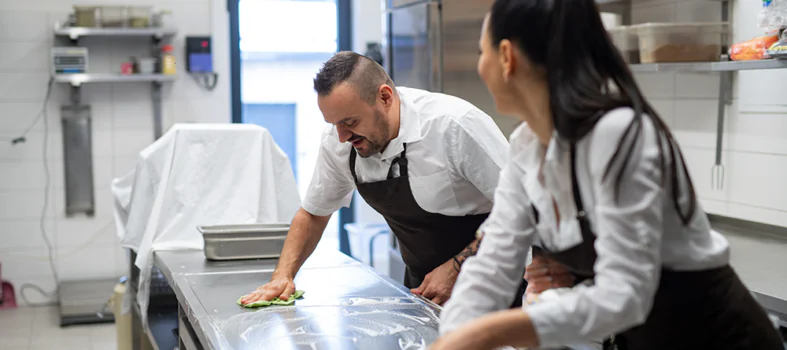
Hygiene also affects:
- Food safety — preventing cross‑contamination and foodborne illness
- Staff performance — clean environments boost morale and professionalism
- Brand reputation — customers associate cleanliness with quality
- Repeat business — diners return to places where they feel safe
In a city as dense as New York, where kitchens are small and foot traffic is constant, maintaining hygiene is both a challenge and a necessity.
The Hidden Work Behind a Clean Restaurant
Most customers never see the behind‑the‑scenes routines that keep a restaurant safe. Staff members sanitize surfaces every hour, deep‑clean equipment, rotate inventory, and follow strict food‑handling procedures. Many restaurants also invest in:
- Commercial‑grade cleaning equipment
- Staff hygiene training
- Pest‑control partnerships
- Air purification systems
These efforts aren’t just about passing inspections — they’re about building trust.
How Hygiene Influences Online Reviews
A restaurant can have great food, but if customers notice dirty floors, sticky menus, or unclean restrooms, the review will reflect it. Cleanliness is one of the top three factors mentioned in NYC restaurant reviews, right alongside food quality and service.
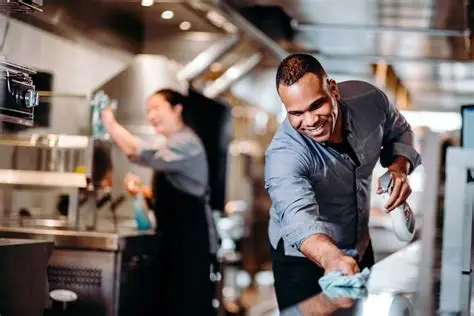
Positive hygiene mentions often include:
- “Spotless kitchen”
- “Clean tables and utensils”
- “Staff wearing gloves and hairnets”
- “Restrooms were surprisingly clean”
Negative mentions, however, spread faster and hurt more.
NYC’s Hygiene Grading System
New York’s letter‑grade system (A, B, C) is one of the most recognized in the country. Diners look for the A before they look at the menu. Restaurants that maintain an A‑grade often highlight it on:
- Websites
- Social media
- Delivery apps
- Storefront windows
It’s a badge of honor — and a competitive advantage.
How Restaurants Can Improve Hygiene
Even small improvements can make a big difference:
- Implement hourly cleaning checklists
- Train staff on food‑handling best practices
- Keep restrooms spotless
- Use eco‑friendly cleaning products
- Maintain proper ventilation
- Encourage staff hygiene (handwashing, gloves, hairnets)
These steps not only improve safety but also enhance the dining experience.
The Future of Restaurant Cleanliness
Post‑pandemic, customers expect visible hygiene practices. Many NYC restaurants now:
- Display cleaning schedules
- Use contactless menus
- Offer hand‑sanitizer stations
- Highlight their cleaning protocols online
Cleanliness has become part of the brand identity — not just a requirement.
Know this
Restaurant hygiene is more than a behind‑the‑scenes task. It’s a powerful signal of professionalism, care, and respect for customers. In a city where diners have endless choices, the cleanest restaurants often become the most trusted.
For NYC restaurant owners, investing in hygiene isn’t optional — it’s essential for long‑term success.